Blog / AI

Van registratie naar risico — drie niveaus van finance maturity

Finance-teams worden vaak gevraagd "datagedreven" te werken voordat hun fundament klaar is. Een gefaseerde aanpak met drie duidelijke niveaus voorkomt teleurstelling — en levert eerder waarde.

In nagenoeg elk gesprek over de toekomst van finance valt het woord data-driven. CFO's praten over realtime dashboards, predictive cashflow en AI die afwijkingen detecteert voordat de controller ze ziet. Het is een aantrekkelijk beeld — alleen klopt het zelden met de praktijk op de werkvloer.

Wat ik in de afgelopen vijftien jaar consistent zie: organisaties slaan stappen over. Ze willen AI-gedreven forecasting terwijl de standaardrapportage nog drie weken na maandafsluiting komt. Ze willen anomaly detection terwijl de hoofdboekstructuur per entiteit verschilt. Het resultaat is voorspelbaar: dure technologie, gefrustreerde teams, en management dat de cijfers nog steeds niet vertrouwt.

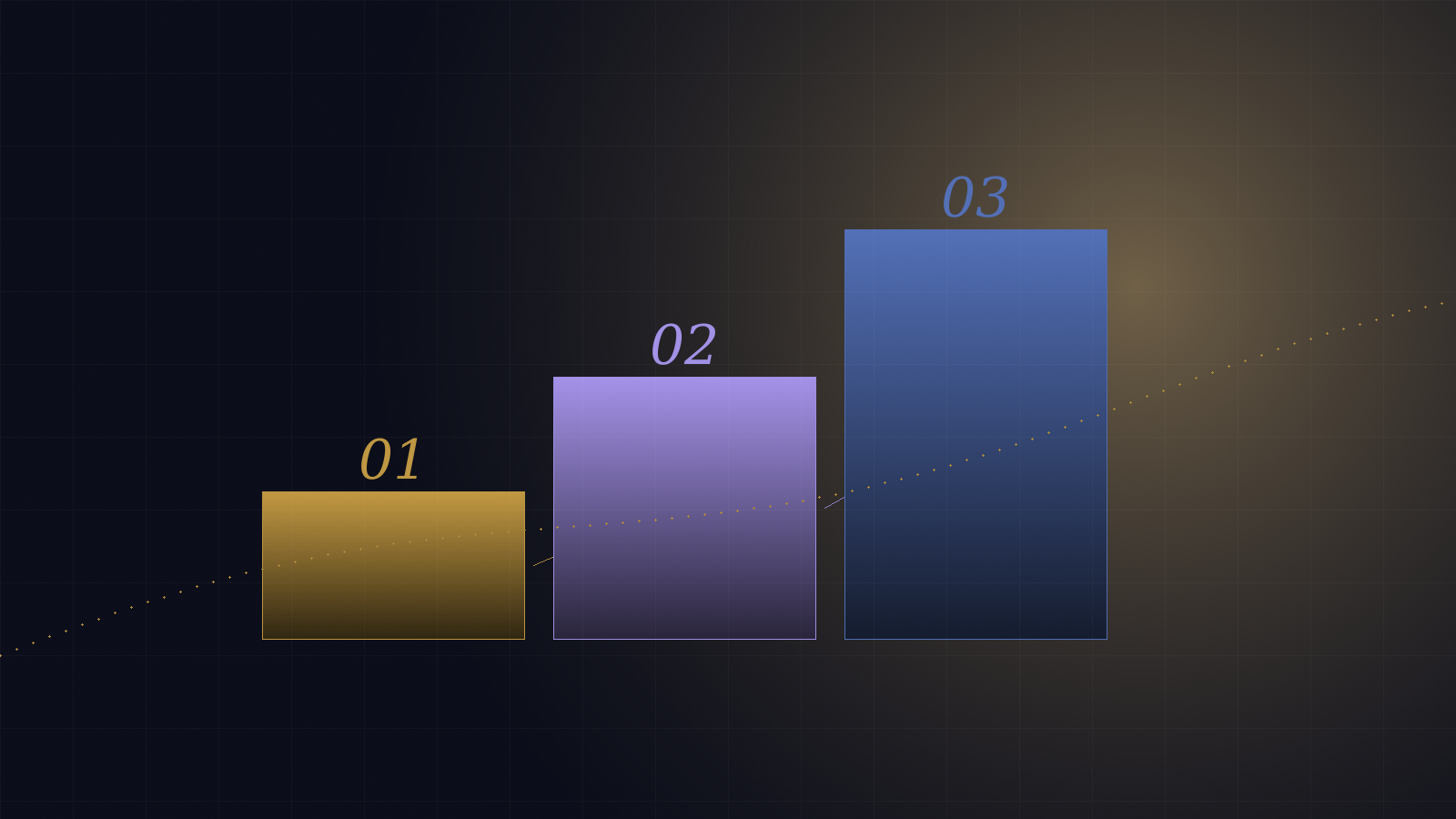
Het HAAI maturity-model lost dit op door drie niveaus te onderscheiden — en duidelijk te maken wat eerst af moet voor de volgende stap zinvol wordt.

Niveau 01 — Registration: het fundament

Op niveau één gaat alles om betrouwbare registratie. Het ERP-systeem reflecteert de werkelijkheid, de hoofdboekstructuur is consistent, de maandafsluiting is voorspelbaar. Basis-MIS is beschikbaar voor besluitvorming. Geen exotische technologie — gewoon een goed ingericht systeem en een team dat de processen volgt.

Klinkt eenvoudig. Is het zelden. In multi-entity organisaties zijn rekeningschema's vaak historisch gegroeid en niet gestandaardiseerd. Tussenrekeningen lopen op zonder periodieke analyse. Maandafsluiting kost twee tot drie weken omdat handmatige controles en correcties domineren. Op dit niveau is "datagedreven werken" een fata morgana — er is geen schone data om op te bouwen.

Wie hier inveert in AI bouwt prachtige dashboards op modder. De cijfers zien er goed uit en zijn toch niet bruikbaar.

De interventies op dit niveau zijn klassiek finance-werk: hoofdboekherstructurering, accounting manuals, geautomatiseerde reconciliaties, een strakke afsluitkalender. Niet sexy, wel fundamenteel.

Niveau 02 — Exception: sturen op afwijkingen

Met een betrouwbaar fundament verschuift de focus. Het team kijkt niet meer naar elke transactie — dat is overbodig — maar naar uitzonderingen. Welke posten wijken af van het verwachte patroon? Welke processen leveren consistent fouten op? Welke entiteit rapporteert steevast laat?

Op niveau twee gaat data-analytics een rol spelen, maar nog niet als AI. Power BI of vergelijkbaar toont KPI's met afwijkingsindicatoren. Reguliere queries vinden ongebruikelijke journalposten. De auditfunctie verschuift van "alle transacties controleren tot een grens" naar "afwijkingen identificeren en uitleggen".

Dit niveau levert vaak de grootste relatieve verbetering. Het werk wordt scherper en het team krijgt eindelijk tijd voor analyse in plaats van transactieverwerking.

Niveau 03 — Risk: AI-gedreven inzicht

Pas op niveau drie heeft AI iets nuttigs te doen. Met betrouwbare basisdata en begrip van uitzonderingen kan een model patronen leren die menselijke analisten missen — niet omdat de analist minder slim is, maar omdat de hoeveelheid data groter is dan een mens kan overzien.

Concrete toepassingen op dit niveau: predictive cash flow op basis van klantgedrag, AI die ongebruikelijke combinaties van journalposten flaggt, classifiers die inkoopfacturen categoriseren met een betrouwbaarheidsindicator zodat alleen onzekere gevallen menselijke aandacht krijgen. Statische rapportage wordt vooruitkijkend inzicht.

Waarom de volgorde ertoe doet

Een organisatie kan niet bewust op niveau drie gaan zitten zonder de eerste twee. Dat is geen dogma — het is een praktische vaststelling. AI op vuile data versterkt fouten in plaats van ze te ontdekken. Anomaly detection zonder begrip van wat normaal is, levert vooral ruis op.

Het goede nieuws: de stappen kunnen vaak parallel lopen. Terwijl een hoofdboek wordt gerestructureerd op niveau één, kan een ander team al aan de uitzondering-rapportage werken voor de afdelingen die wel op orde zijn. Het maturity-model is een richtinggevend kader, geen rigide watervalplan.

De vraag waar elke CFO mee zou moeten beginnen is dus niet "welke AI moeten we kopen?" maar "op welk niveau staan onze entiteiten en wat is per entiteit de eerstvolgende zinvolle stap?"

In nearly every conversation about the future of finance, the phrase data-driven comes up. CFOs talk about real-time dashboards, predictive cash flow, and AI that catches anomalies before the controller does. It's an attractive picture — but it rarely matches what's actually happening on the floor.

What I've seen consistently for fifteen years: organisations skip steps. They want AI-driven forecasting while standard reporting still arrives three weeks after month-end close. They want anomaly detection while every entity has a different chart of accounts. The result is predictable: expensive technology, frustrated teams, and management that still doesn't trust the numbers.

The HAAI maturity model resolves this by distinguishing three clear levels — and being explicit about what has to be in place before the next step makes sense.

Level 01 — Registration: the foundation

At level one, it's all about reliable registration. The ERP reflects reality, the chart of accounts is consistent, month-end close is predictable. Basic management information is available for decision-making. No exotic technology — just a properly configured system and a team that follows the processes.

Sounds simple. Rarely is. In multi-entity organisations, charts of accounts have usually grown historically and aren't standardised. Suspense accounts accumulate without periodic review. Month-end takes two to three weeks because manual checks and corrections dominate. At this level, "data-driven" is a mirage — there's no clean data to build on.

Investing in AI here means building beautiful dashboards on mud. The numbers look good and are still unusable.

Interventions at this level are classic finance work: chart-of-accounts restructuring, accounting manuals, automated reconciliations, a tight close calendar. Not glamorous, but foundational.

Level 02 — Exception: steering on deviations

With a reliable foundation, focus shifts. The team no longer looks at every transaction — that's wasteful — but at exceptions. Which postings deviate from the expected pattern? Which processes consistently produce errors? Which entity reports late every cycle?

Data analytics enters the picture here, but not yet as AI. Power BI or equivalent shows KPIs with deviation indicators. Regular queries find unusual journal entries. The audit function shifts from "test all transactions up to a threshold" to "identify deviations and explain them."

This level often delivers the largest relative improvement. Work becomes sharper, and the team finally has time for analysis instead of transaction processing.

Level 03 — Risk: AI-driven insight

Only at level three does AI have something useful to do. With reliable base data and an understanding of exceptions, a model can learn patterns that human analysts miss — not because the analyst is less capable, but because the data volume exceeds what any one person can see.

Concrete applications at this level: predictive cash flow based on customer behaviour, AI flagging unusual combinations of journal entries, classifiers categorising AP invoices with a confidence score so only uncertain cases need human attention. Static reporting becomes forward-looking insight.

Why the order matters

An organisation can't deliberately settle at level three without the first two. That's not dogma — it's a practical observation. AI on dirty data amplifies errors instead of finding them. Anomaly detection without an understanding of "normal" mostly produces noise.

The good news: the stages can often run in parallel. While a chart of accounts is being restructured at level one, another team can work on exception reporting for the entities that are already in order. The maturity model is a directional framework, not a rigid waterfall plan.

So the question every CFO should start with is not "which AI should we buy?" but "what level are our entities at, and what's the next meaningful step for each?"